China’s commerce and science ministries published draft updates to the country’s export control catalog, targeting 23 key AI technologies across large models, software agents, compute clusters, and data processing. The rules mandate a total export ban on AI tools capable of independently creating or modifying malware to target critical infrastructure, military, or government entities.
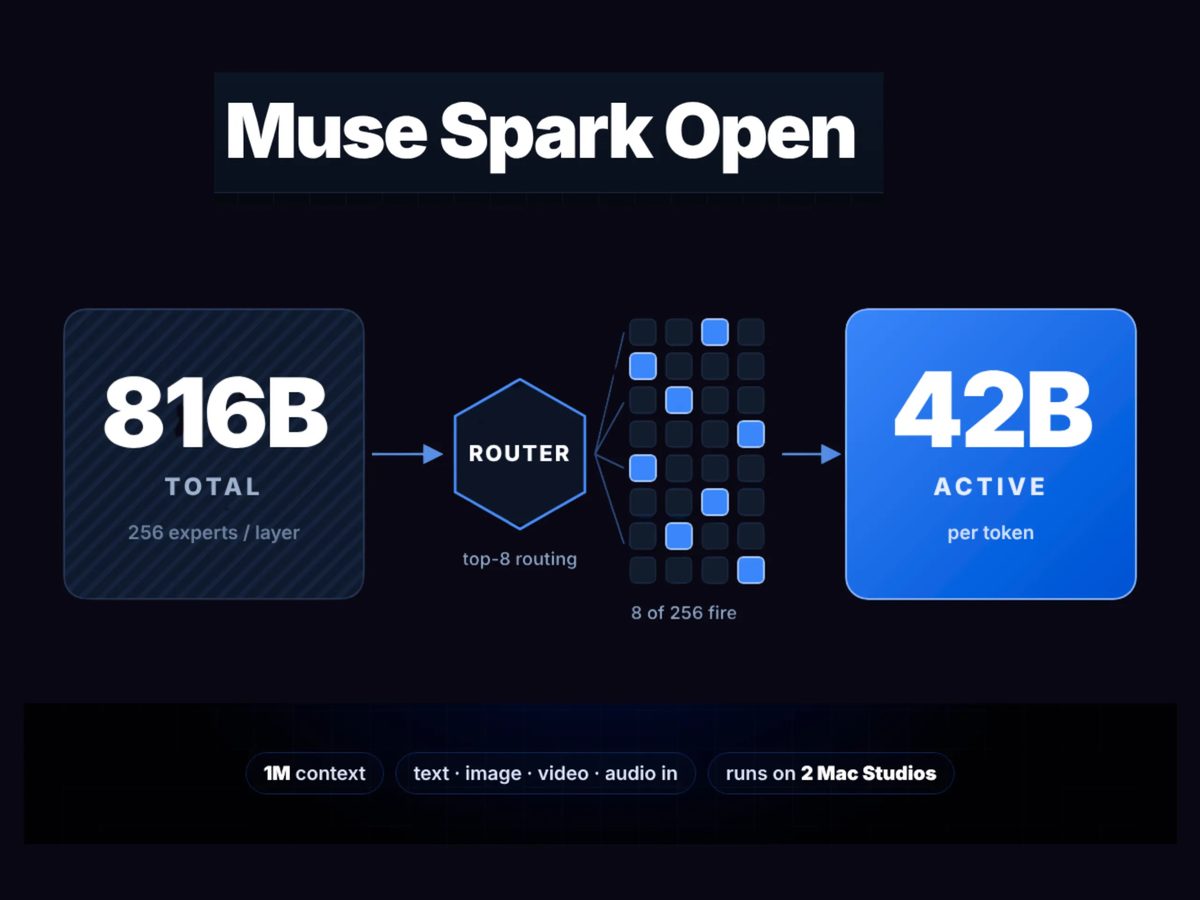
The framework introduces strict export limits on large models trained on China’s defined ‘important data’ as well as core model technologies like weights, source code, and training methodologies. These controls apply to models reaching 10^26 FLOPs of training compute, containing at least 2 trillion parameters, or ranking among the global top 10 models across major evaluation platforms. However, exports made available via open-source licenses, lightweight local deployments, standard API services, or Chinese-owned overseas data centers can qualify for streamlined ‘automatic licensing.’
Industry analysts note the policy establishes state authority to restrict future Chinese open-weight models without immediately shutting down the domestic open-source ecosystem. The restrictions mirror US model-weight export limits, putting increased pressure on European firms that rely on foreign open-source weights for digital sovereignty.
Why it matters
Forces global enterprises relying on open-weight models to mitigate regulatory risks as both US and Chinese governments assert control over top-tier weights.
Protects foreign API access and cloud usage while restricting the direct export and local server installation of high-parameter Chinese models.
Pushes Western developers using open-source AI to double down on domestic model alternatives to prevent sudden supply chain cutoffs.
Source: the-decoder.com