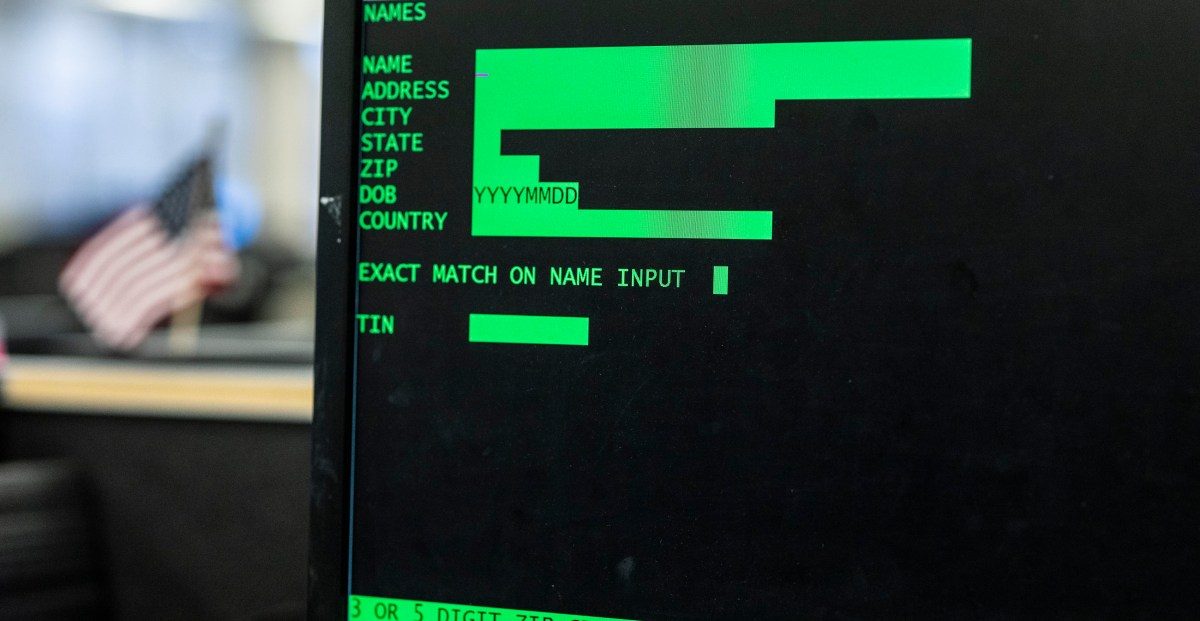
OpenAI has published evaluations demonstrating that its latest AI models can accurately translate legacy COBOL code into modern languages like C++, Java, Python, and Rust. COBOL underpins 40 percent of online banking systems, 80 percent of in-person credit card processing, and major US government databases, costing the economy an estimated $105 billion annually in inefficiencies.
In company benchmarks, GPT-6.1 Sol achieved up to 98 percent behavior preservation accuracy when given high reasoning effort during code translation tests. This marks a major jump from previous generations like GPT-5.6 Sol, which scored just 5 percent under low reasoning settings. OpenAI noted that success relies on passing all functional tests without altering legacy system behavior.
Anthropic is also targeting the legacy infrastructure market with its Claude Code modernization playbook. While full system replacements remain complex, automated migration tools offer financial institutions and public agencies a potential path off aging infrastructure.
Why it matters
COBOL powers 80%+ of card transactions; automated migration tools target a massive $105B annual legacy software friction market.
High-reasoning AI models achieved up to 98% behavior preservation, solving previous reliability issues in automated refactoring.
Enterprise IT operations can reduce technical debt by deploying dedicated AI agents for code translation and test verification.
Source: theverge.com