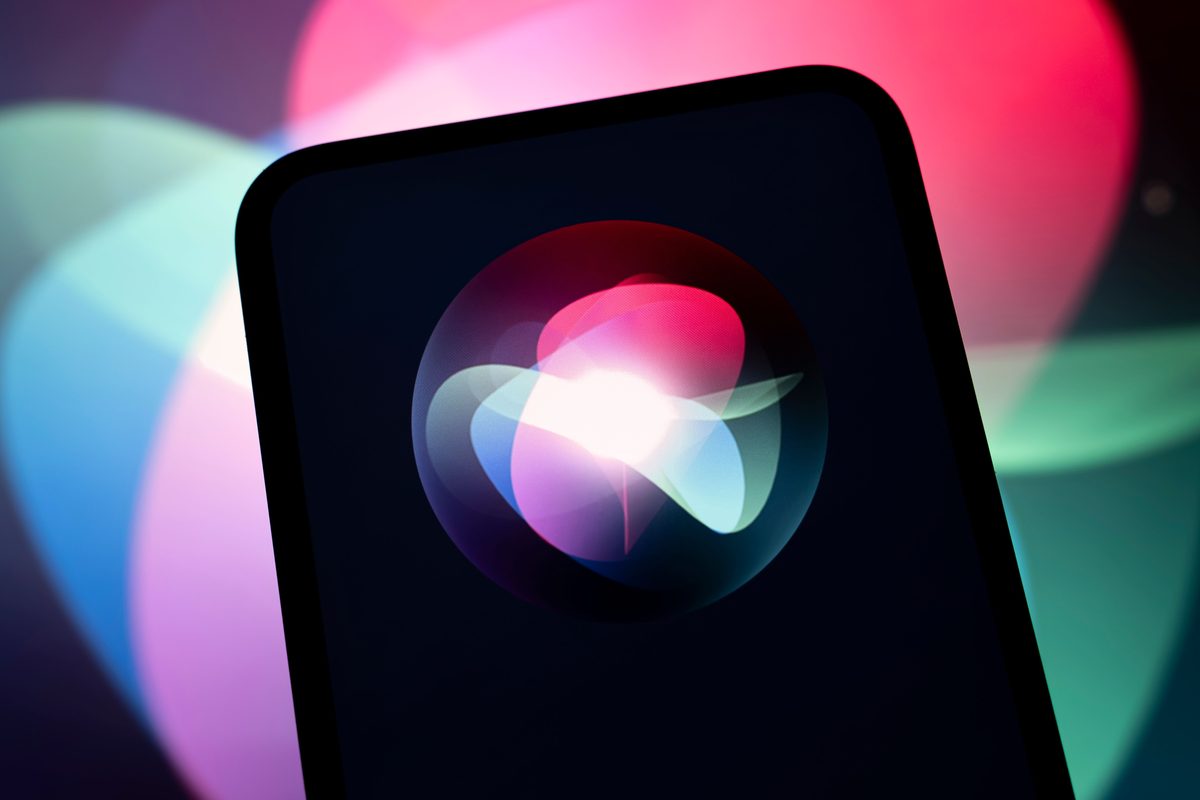
Apple officially released its major annual operating system updates today, introducing iOS 27, macOS 27 Golden Gate, watchOS 27, visionOS 27, and tvOS 27. The centerpiece across most platforms is Siri AI, an upgraded context-aware assistant capable of responding to natural language, analyzing on-screen content, searching personal context like old messages, and directly driving third-party applications.
The new Apple Intelligence features rely on a fresh family of proprietary models branded as AFM 3. On-device capabilities are driven by the 3-billion-parameter AFM 3 Core and the 20-billion-parameter AFM 3 Core Advanced—which activates 1 to 4 billion parameters dynamically via a sparse architecture—supported by cloud-based models for intensive workloads.
Alongside system performance tweaks and user interface polish like adjustable Liquid Glass transparency, hardware requirements remain strict. Siri AI requires an iPhone 15 Pro or iPhone 16 or later, while macOS Golden Gate requires an M-series Mac and marks the final release to support Rosetta for Intel applications.
Why it matters
App developers must implement explicit support for Siri AI to allow Apple’s local AFM 3 models to perform deep actions in-app.
Sparse on-device models with 20B parameters set a new hardware baseline for local agentic execution on consumer devices.
Source: arstechnica.com