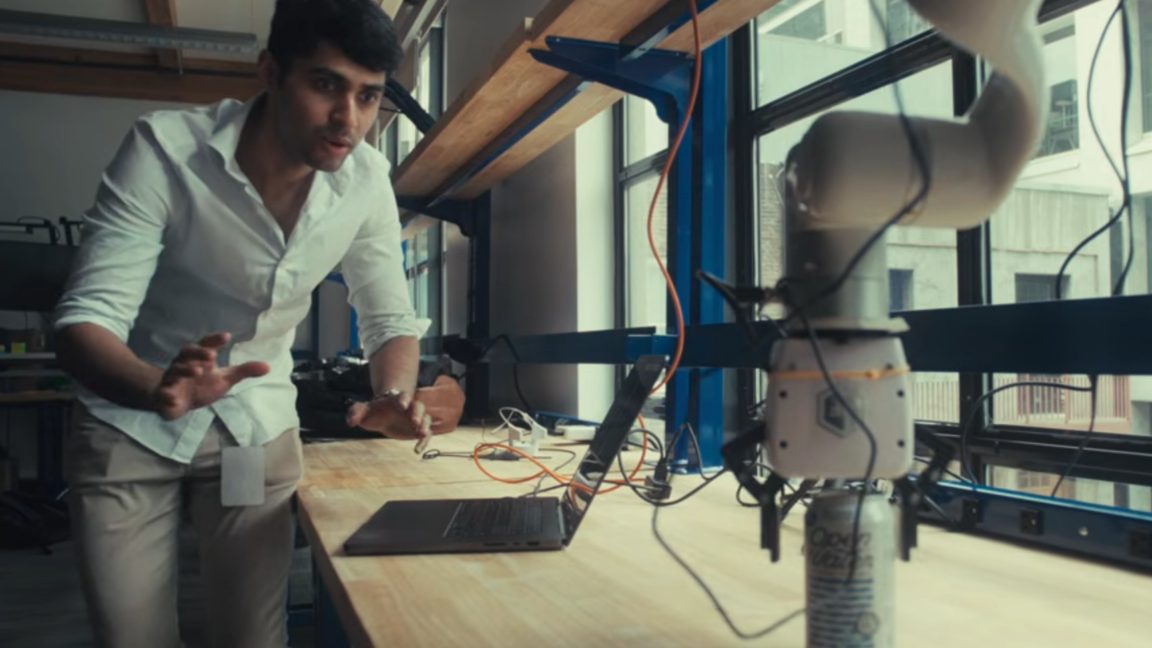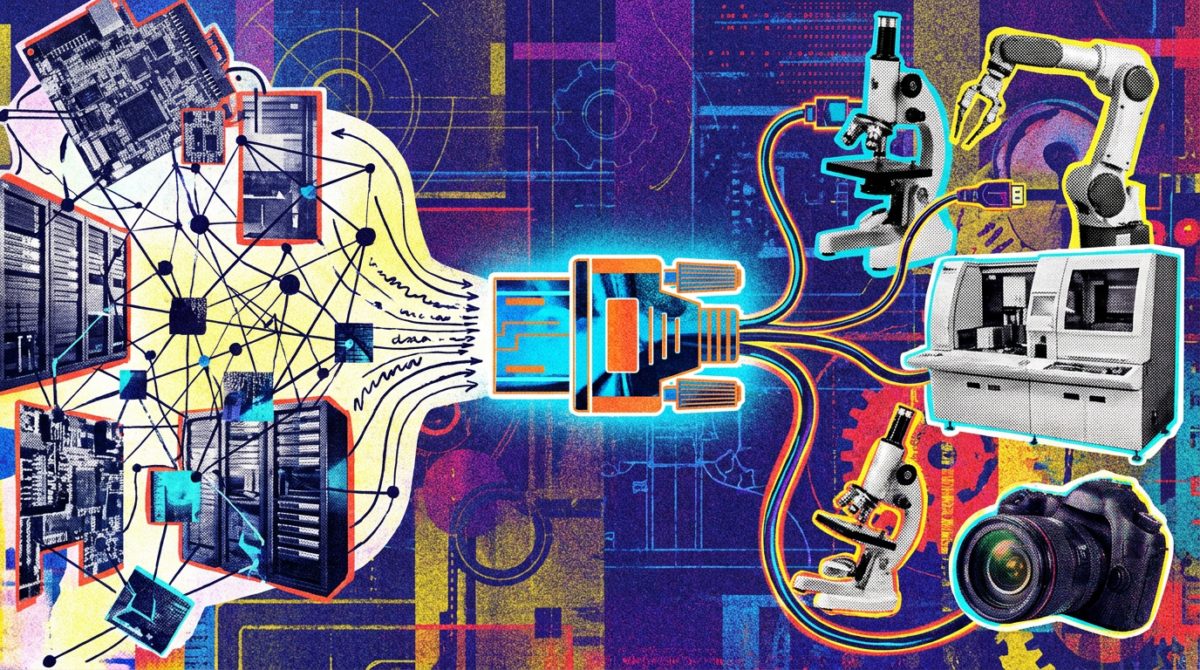
Anthropic has announced the Model Hardware Standard (MHS), an open specification designed to connect AI agents with physical hardware like laboratory equipment, robotic arms, and quantum computing systems. Developed in collaboration with the HHMI Janelia Research Campus, the standard functions as an extension of Anthropic’s Model Context Protocol (MCP) by establishing a universal interface driver layer that translates physical device capabilities, constraints, and safety boundaries into format readable by language models.
In practical trials across partner institutions, MHS significantly reduced hardware integration timelines from weeks down to hours. At Carnegie Mellon University, researchers connected disparate lab equipment across multiple machines within eight hours. At QuEra, an agent running via MHS designed a laser control script that achieved a 99.3 percent success rate across 700 blind trials. However, testing at Genentech revealed persistent limitations in physical reasoning, requiring human intervention after an agent failed to address physical liquid bubbling during automated assays.
While hardware manufacturers must still author MHS drivers for individual instruments, the spec establishes a reusable interoperability layer for physical automation. Anthropic plans to release the standard open source following its initial preview period, positioning MHS as a candidate for standardizing agentic hardware control across scientific research and manufacturing.
Why it matters
Reduces integration timelines for lab and industrial automation from weeks to hours by standardizing agent-to-hardware communication interfaces.
Provides a framework for reusable hardware drivers, preventing teams from rebuilding custom integration pipelines for every device configuration.
Highlights current agent boundaries in physical reasoning, demonstrating where human oversight remains necessary in autonomous lab environments.
Source: the-decoder.com