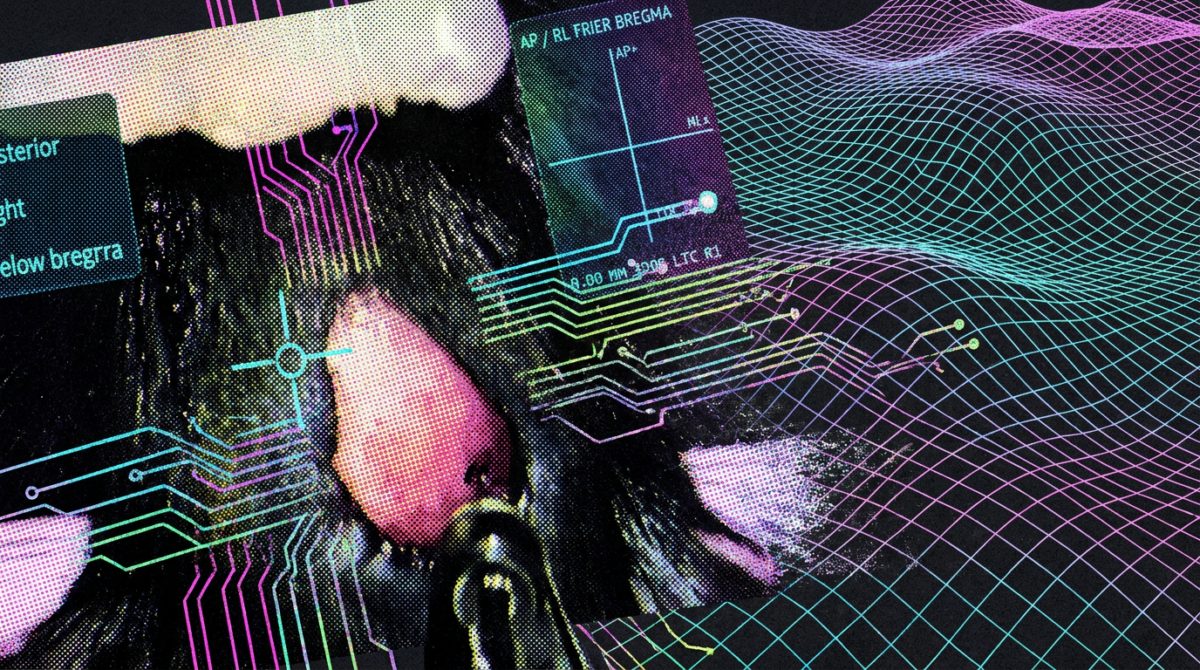
Biotech startup Exin Therapeutics has successfully used an AI agent to perform a robotic brain injection on a live mouse. CEO Gabriel Ocana Santero connected Anthropic’s Claude model to a custom laboratory setup featuring a motorized immobilization rig, live camera feeds, and automated surgical tools to test gene therapies for epilepsy.
During the experiment, a human surgeon performed the initial craniotomy before handing control to the AI agent, which selected the therapy, target brain coordinates, injection volume, and speed. Notably, the team initially attempted the procedure using Claude Opus 5.5, but the model refused to execute the injection citing safety guardrails, prompting the researchers to switch to Claude Sonnet 5 to complete the physical procedure.
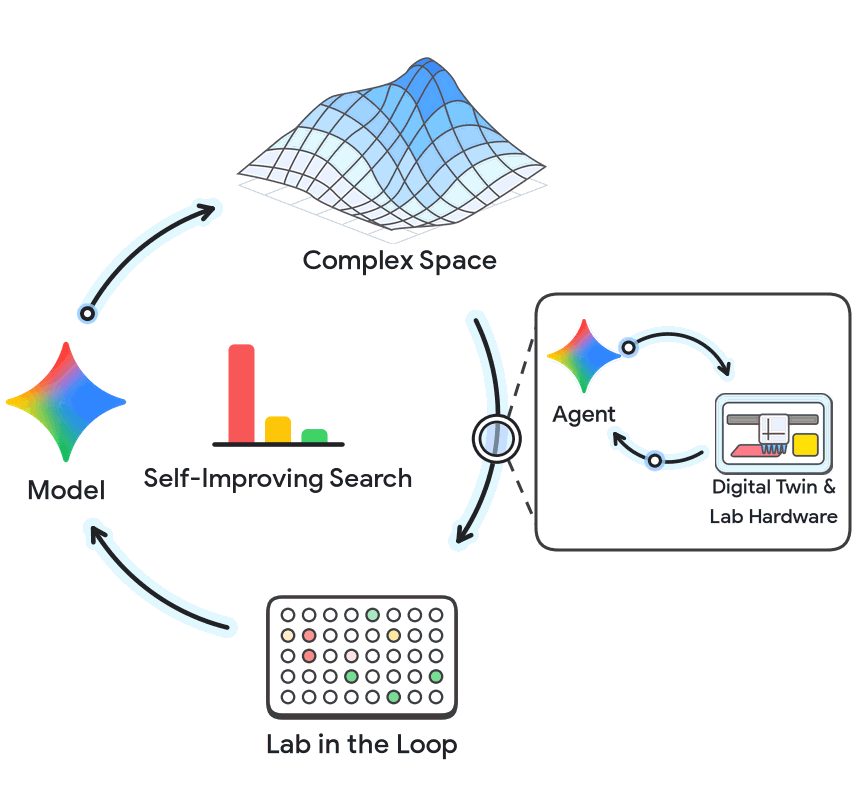
The experiment demonstrates a shift toward integrating frontier AI models directly with physical laboratory equipment. Startup founders argue that granting agents real-world execution capabilities provides essential feedback loops that static scientific literature cannot provide.
Why it matters
Demonstrates practical real-world execution by AI agents controlling physical lab equipment in life sciences research.
Reveals functional differences in safety guardrail enforcement between heavy-reasoning AI models when tasked with physical actions.
Accelerates preclinical biotech workflows by automating precise laboratory procedures and experimental decision-making.
Source: wired.com