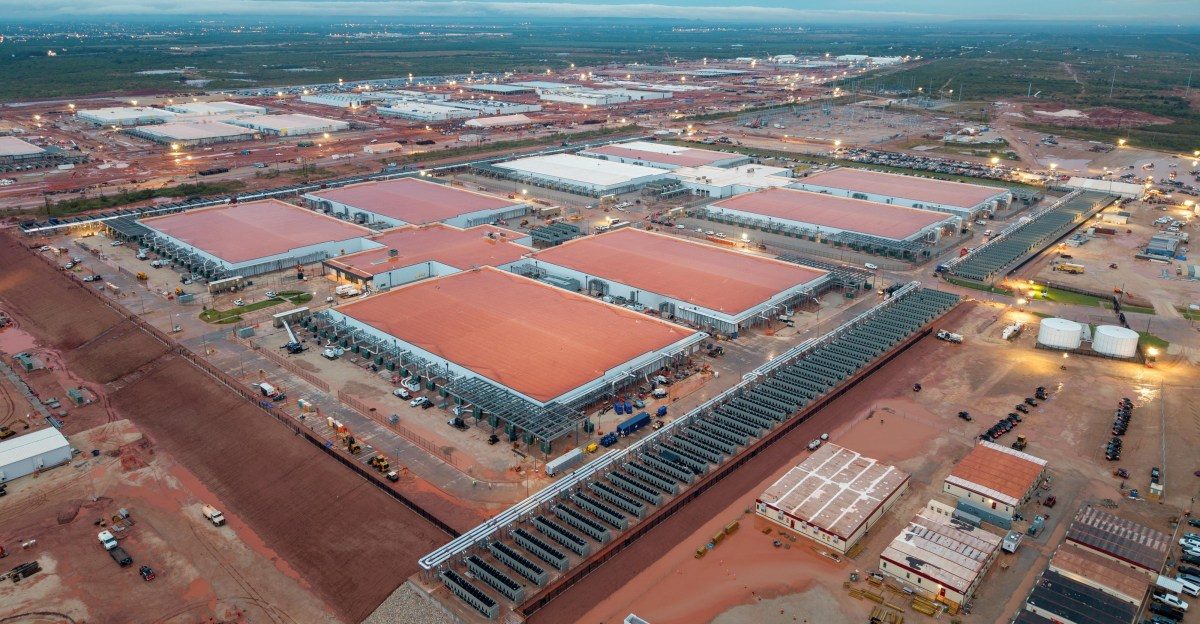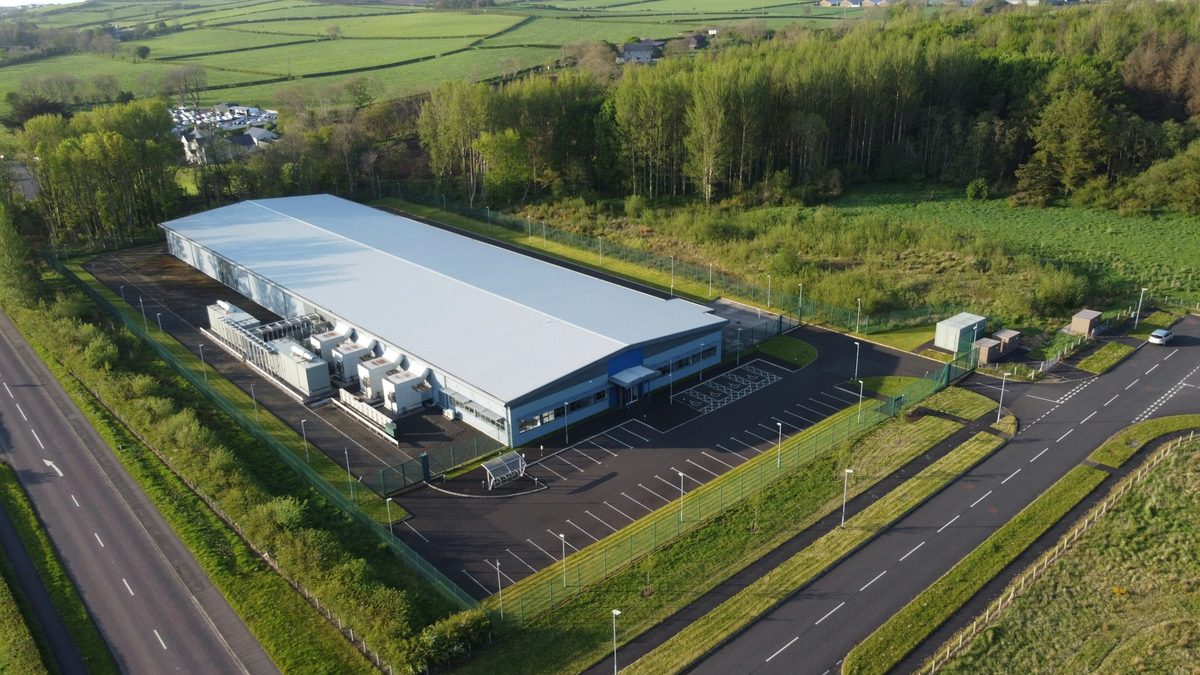
Voters across the United States decisively rejected data center expansion during the 2026 midterm elections, defeating measures and pro-data center politicians nationwide. Anti-data center ballot initiatives passed in 38 out of more than 40 local races across 13 states. Six cities enacted total bans on data center construction, while 12 imposed strict megawatt consumption caps on facilities.
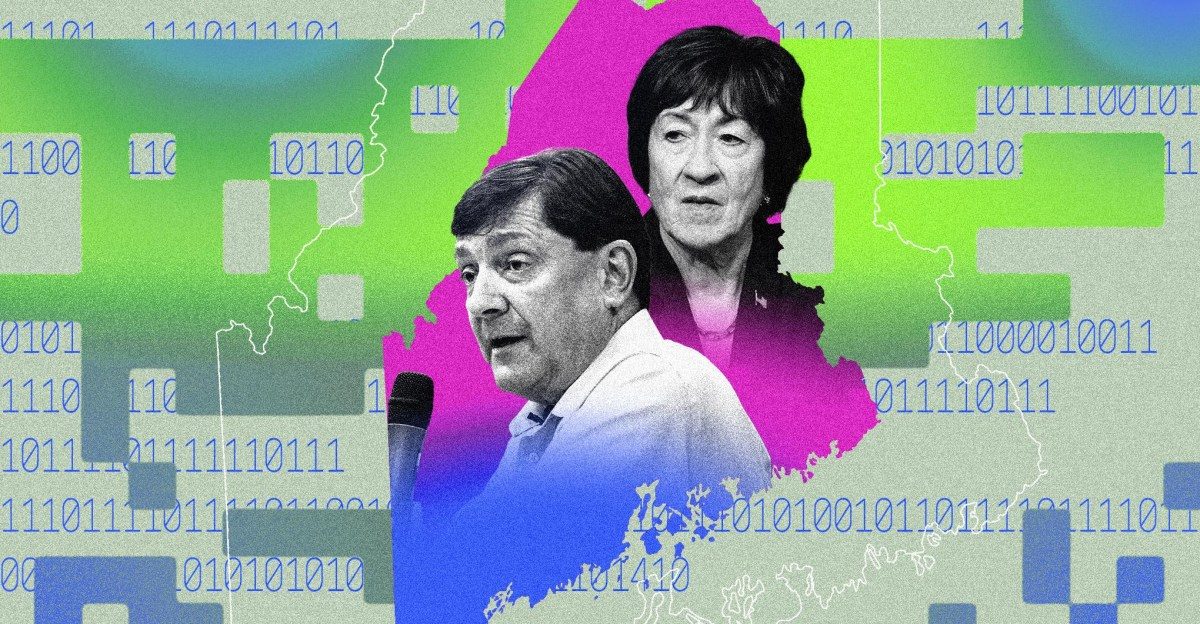
The political backlash unseated major political figures, including Texas Governor Greg Abbott, who lost his reelection bid after promoting Texas as an AI infrastructure hub. Candidates aligned with data center opposition secured key municipal and state victories in states including Kentucky, Kansas, Oklahoma, and North Carolina, driven by public concerns over rising utility bills, resource strain, and local environmental impacts.
The widespread voter revolt signals shifting political risks for Big Tech hyperscalers attempting to expand physical infrastructure. As local opposition turns into statutory bans and moratoriums, AI developers face potential delays and rising costs for power and facility permitting.
Why it matters
Hyperscalers face severe regulatory and political roadblocks, threatening capital expenditure plans for energy-intensive AI infrastructure.
Local permitting and power access will become primary operational bottlenecks for expanding data center capacity.
Energy costs and public resistance could force AI infrastructure developers to seek offshore or highly remote facility locations.
Source: 404media.co