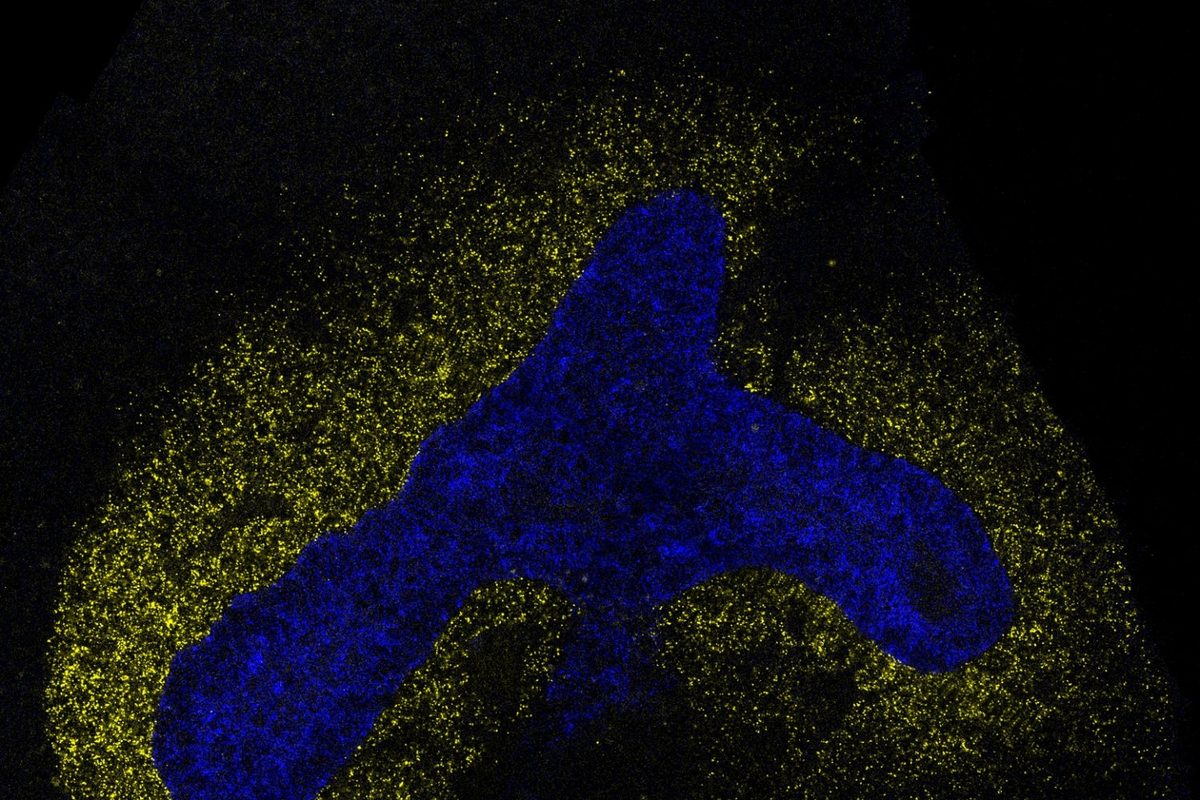
MIT biological engineers have developed IRIS, a neural network model capable of decoding how cells communicate during embryonic development. By discovering that cellular signaling pathways leave consistent genetic “fingerprints” across different cell types, the researchers enabled IRIS to reconstruct a cell’s signaling history without requiring separate mappings for every distinct tissue type.
Published in Nature Methods, the model uses transfer learning principles—similar to speech recognition systems—to generalize pathway fingerprints across unfamiliar cell types. This capability allows scientists to pinpoint precise chemical signaling sequences inside developing embryos at an unprecedented scale.
The research holds significant potential for regenerative medicine, organoid engineering, and targeted drug discovery. By understanding the exact signal sequences that guide stem cell differentiation, medical researchers can replicate those environments in vitro to grow specialized tissues and model disease mechanisms.
Why it matters
Demonstrates transfer learning applied to complex biological systems, accelerating cell mapping and tissue engineering.
Provides drug developers and biotech startups better tools for creating highly accurate organoids for disease testing.
Reduces experimental costs and time by eliminating the need to map individual cell pathways manually.
Source: news.mit.edu