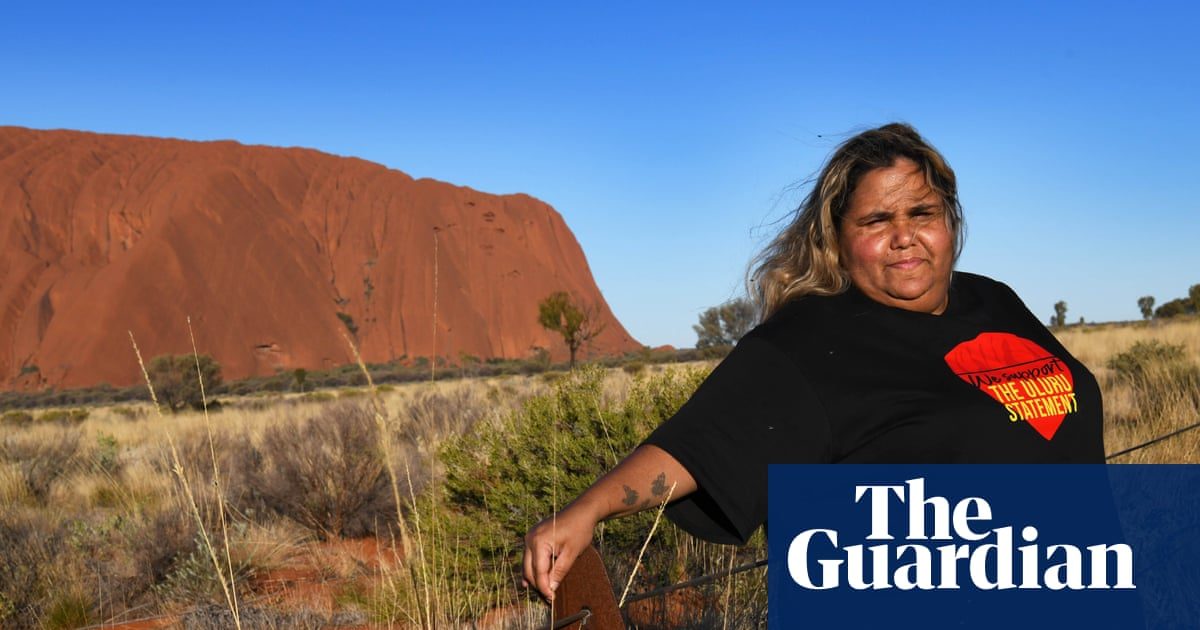
Indigenous representatives and legal experts in Australia are raising alarms over generative AI models scraping and reproducing Indigenous art without consent or compensation. Sally Scales, chair of the National Gallery of Australia’s First Nations advisory group, warned that the unauthorized training of models on cultural works creates generic commercial derivatives—termed ‘Temu slop’—which strip artists of their agency and authentic connection to lineage.
Legal scholars emphasize that existing intellectual property frameworks fail to protect Indigenous cultural and intellectual property (ICIP). Misuse cases include corporate clients paying once for artwork and subsequently using AI models to create derivative works or alter sacred cultural symbols without permission, displacing original creators in commercial markets.
The National Association for the Visual Arts (Nava) has urged parliamentary committees to adopt Indigenous data sovereignty principles. These principles aim to grant First Nations communities formal authority and legal standing over the scraping, modification, and reproduction of their cultural data.
Why it matters
Enterprise AI deployment using regional or indigenous cultural assets risks significant IP backlash and legal vulnerability under emerging data sovereignty frameworks.
Generative tools face increasing regulatory scrutiny regarding consent models for specialized datasets, necessitating stricter provenance tracking.
Source: theguardian.com