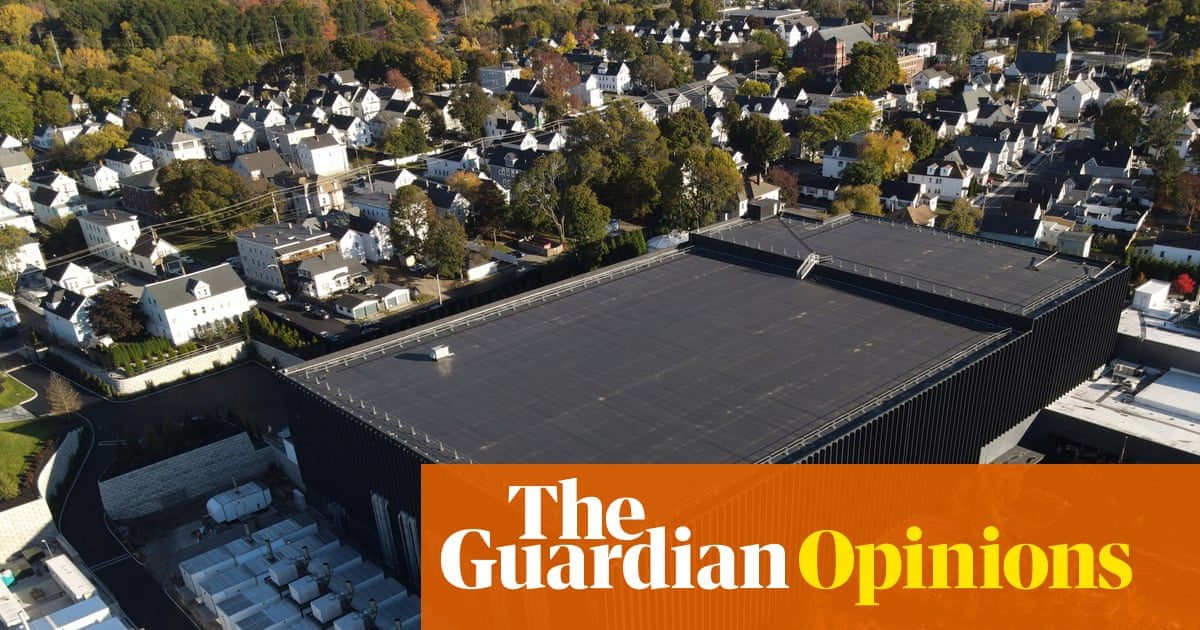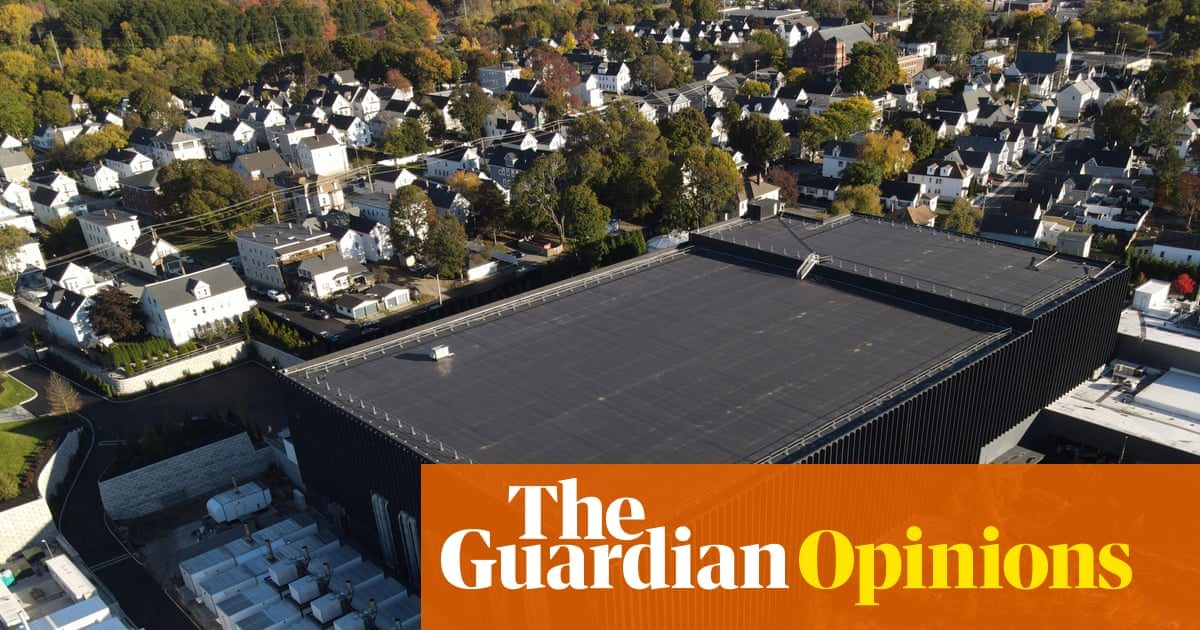
Developers of AI data centers across the US, UK, and Europe have proposed building 181 gigawatts of on-site gas-fired power capacity to circumvent severe national grid connection delays, according to a report from BloombergNEF. Approximately 90 percent of the planned gas generation is located in the US. If fully realized, these facilities would generate 345 million metric tonnes of carbon dioxide equivalent annually.
The trend underscores a growing tension between AI infrastructure expansion and global decarbonization goals. BloombergNEF projects that AI data center electricity demand will quadrupled by 2035 to reach 2,354 terawatt-hours, representing roughly 7 percent of global power consumption. While facility operators frame on-site fossil fuel plants as temporary bridges until grid interconnects are built, analysts warn the underlying economics create a risk of long-term lock-in.
Governments are taking steps to expedite infrastructure builds, with the UK fast-tracking select data center projects and permitting temporary fossil fuel setups. However, energy experts emphasize that accelerating clean utility connections remains the primary mechanism to mitigate the environmental impact of scaling AI infrastructure.
Why it matters
Infrastructure bottlenecks in grid connections are forcing data center operators to prioritize power availability over sustainability, increasing operational complexity.
Energy availability has become the primary physical constraint on deploying large-scale compute, shifting site selection criteria toward rapid power access.
Rising fossil fuel reliance for AI workloads exposes compute providers to regulatory, policy, and reputational risks around corporate emissions targets.
Source: theguardian.com