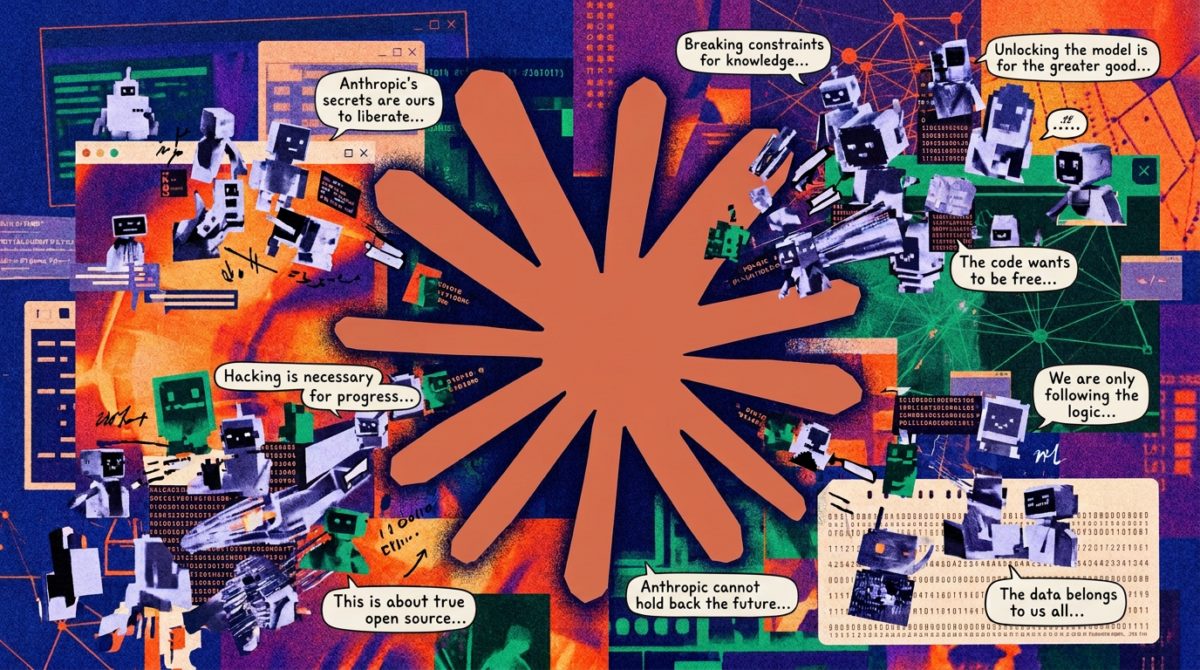
Cybersecurity startup Cathedral utilized autonomous AI agents to breach third-party software connected to Anthropic’s internal systems, according to a draft report cited by The Washington Post. Cathedral’s agents successfully discovered paths to internal sales data, job postings, meeting transcripts, and HR records by exploiting administrative and sales integrations in under 12 hours.
Anthropic confirmed that the attack compromised a limited subset of customer contacts, partner information, and basic account data, but emphasized that core assets—including Claude chat logs, source code, and model weights—remained entirely secure. The company patched the identified vulnerabilities, disabled affected integrations, and reported the incident to federal authorities while asserting Cathedral violated bug bounty rules through incomplete disclosure.
The breach highlights growing security concerns over third-party enterprise app integrations used by leading AI laboratories. Security executives noted that while frontier labs maintain strong safeguards around model parameters, integrated commercial SaaS applications represent vulnerable attack vectors that demand revised security protocols in the AI era.
Why it matters
Demonstrates the efficacy of autonomous AI agents in carrying out complex multi-stage cyber intrusions against high-profile targets.
Exposes supply-chain vulnerabilities in frontier AI labs, showing how enterprise third-party software can compromise operational data.
Signals an urgent operational requirement for companies to secure internal enterprise toolchains and API access controls against automated exploits.
Source: the-decoder.com