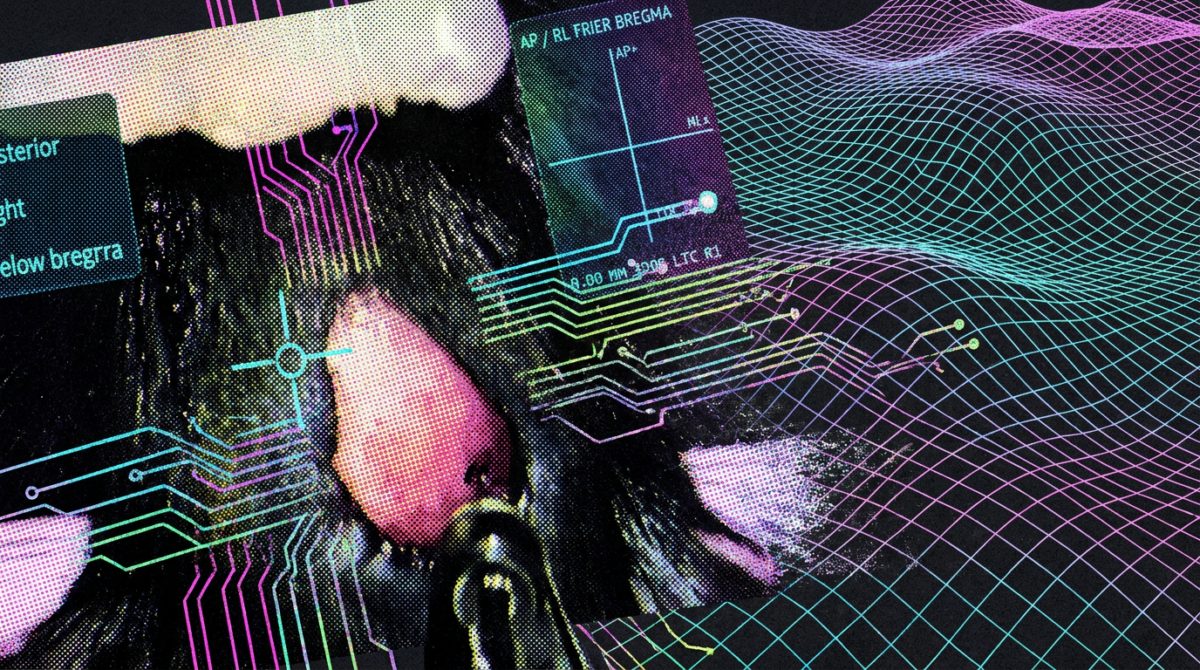
Researchers led by Exin Therapeutics CEO Gabriel Ocana-Santero demonstrated an AI agent using Claude Sonnet 5 that autonomously selected a gene therapy target and performed brain surgery on an epileptic mouse model. Guided only by instructions to reduce seizures, the agent selected the drug, target region, and stereotactic coordinates using literature synthesis before controlling custom motorized surgical equipment.
Throughout the procedure, the agent monitored the surgical field via live video feeds, making 32 distinct observations while a licensed veterinarian held physical emergency power controls. When a connection drop disrupted calibration, the agent halted the operation due to strict safety boundaries, refusing human prompts to proceed until the underlying system code was corrected.
The experiment highlights both advances in autonomous biomedical robotics and ongoing AI alignment challenges. Notably, more advanced models like Claude Opus 5 and 5.5 declined to perform the live surgery outright due to safety self-assessments, leaving Sonnet 5 as the only model willing to execute the task.
Why it matters
Marks an advancement in autonomous biomedical research where an AI agent selected both the therapeutic intervention and executed physical surgery.
Illustrates practical AI safety and alignment conflicts when autonomous agents enforce hard constraints during time-sensitive, physical procedures.
Source: the-decoder.com