
Unity launches official plugins for Claude Code and OpenAI Codex to stop AI agents from using outdated tutorials
Unity released official integration plugins for Claude Code and OpenAI Codex to ensure coding agents generate accurate engine code.
Unity released official integration plugins for Claude Code and OpenAI Codex to ensure coding agents generate accurate engine code.
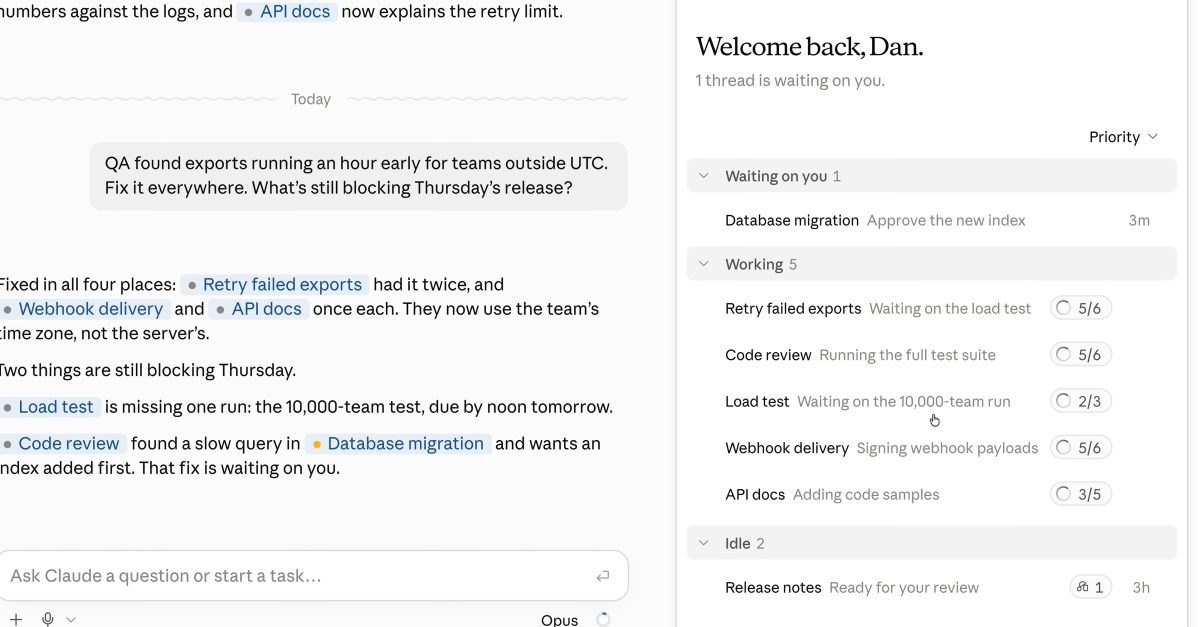
Anthropic relaunched Projects in Claude Code, enabling multi-agent cloud orchestration, shared memory, and parallel branch management.
OpenAI developer Eric Provencher warns that large agent swarms create duplicate effort and excessive coordination costs without raising output quality.

OpenRouter token volume jumped 25,000% driven by reasoning models and agents, sparking debate over whether token counts mask real usage.
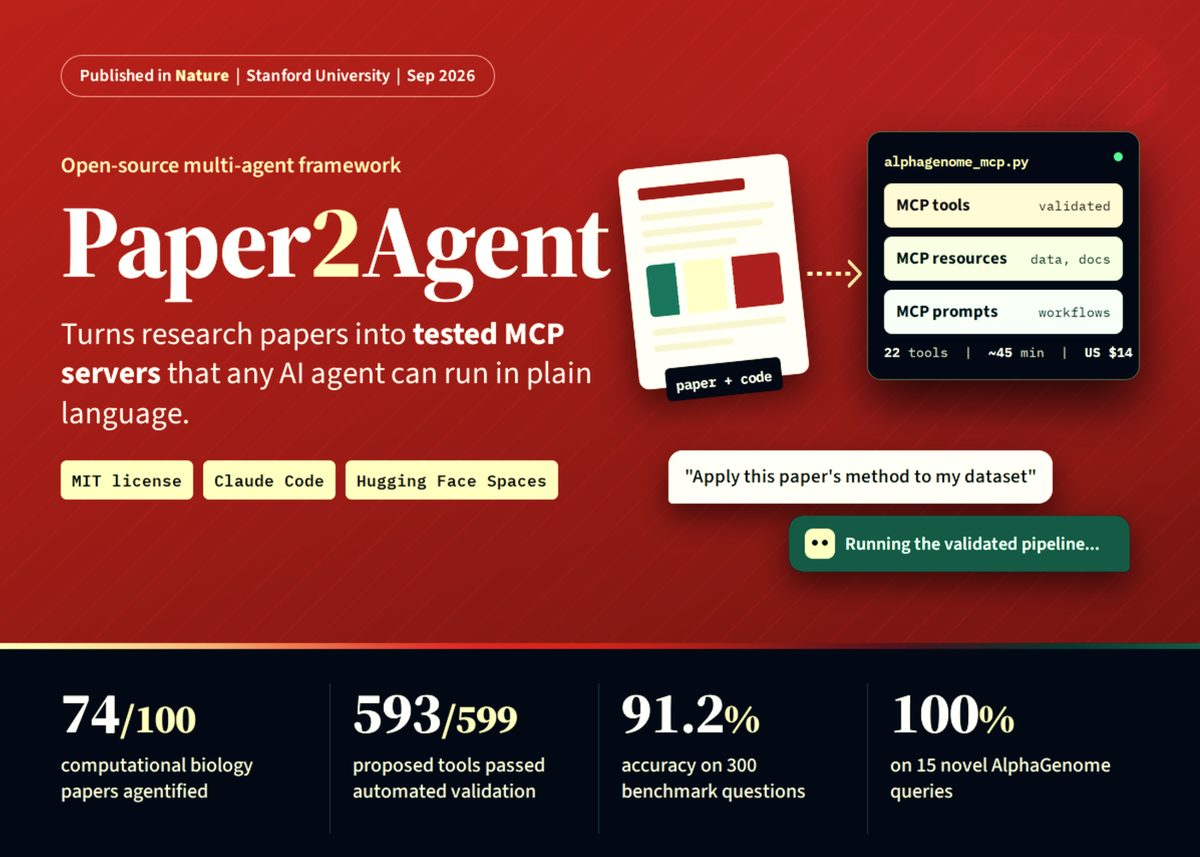
Stanford researchers introduce Paper2Agent, an open-source framework that converts academic codebases into executable Model Context Protocol servers.
Perplexity released its local Portable Computer agent on Windows for NVIDIA RTX PCs with 24GB or more VRAM.
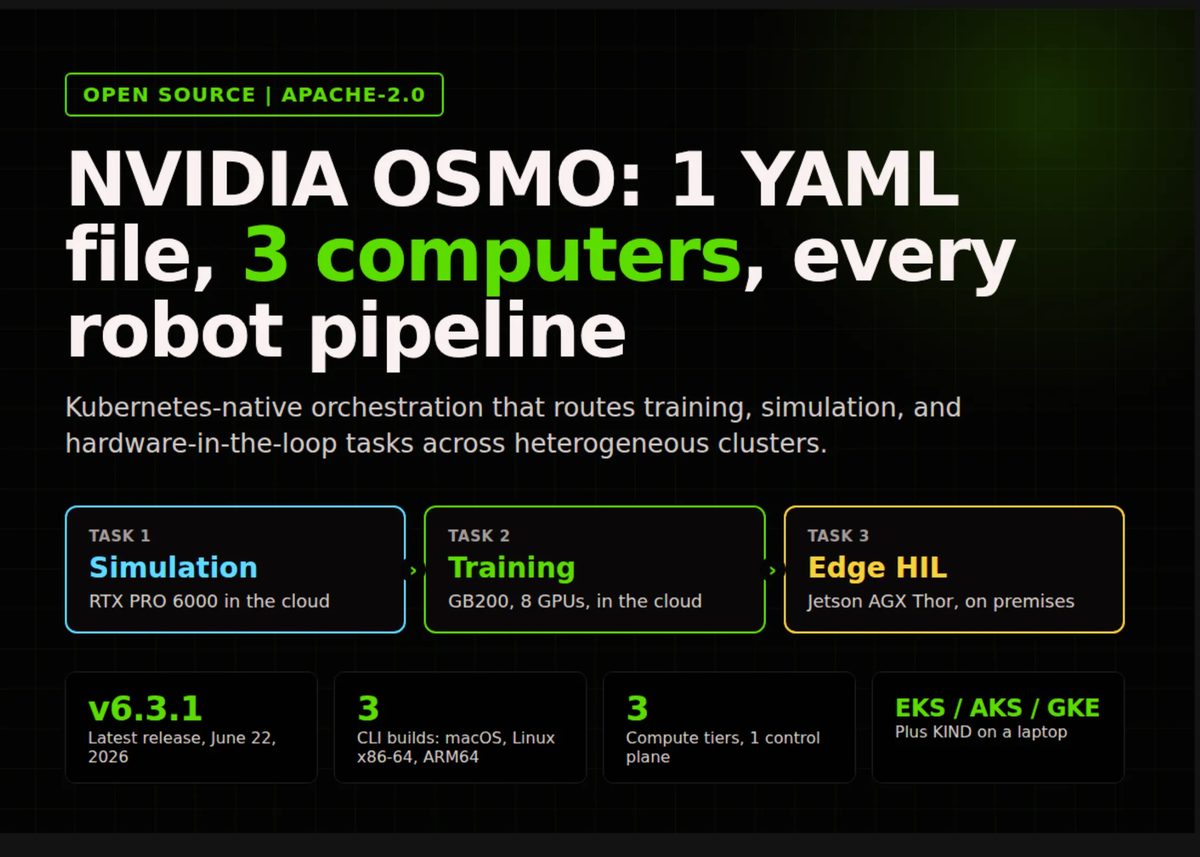
NVIDIA open-sources OSMO, a Kubernetes-native orchestrator for physical AI workflows across training, simulation, and edge hardware.
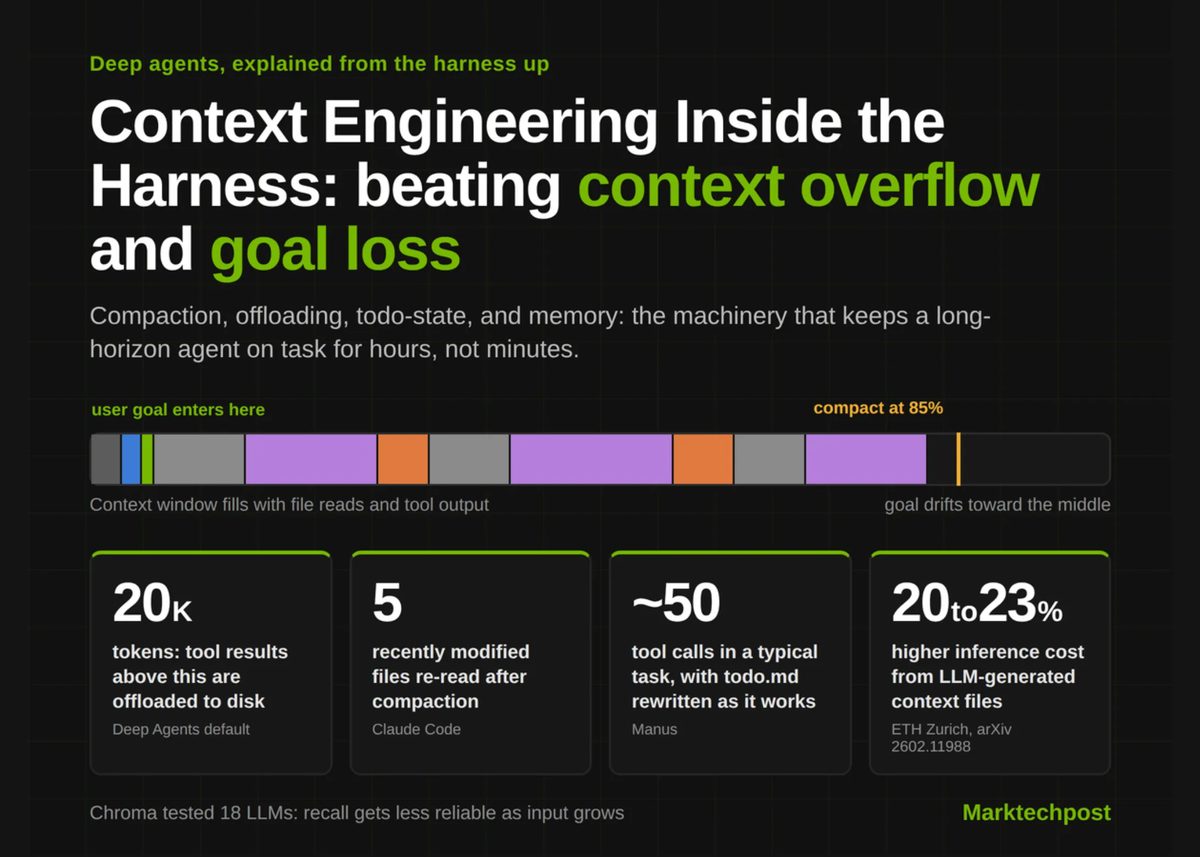
AWS and leading agent frameworks reveal context engineering strategies to eliminate context overflow and goal loss on long-horizon tasks.
Real-SWE introduces a benchmark evaluating AI coding agents on licensed, private enterprise codebases with realistic operational dependencies.
OpenAI detailed how it scaled its Python-based online storage platform Habitat to serve 70 million requests per second for 1 billion users.
OpenAI released its Agents API in public beta, providing infrastructure for long-running, multi-agent workflows with token-based pricing.
OpenAI launched the GPT-Live-1 API, enabling real-time, full-duplex voice interactions for developer applications at $0.05 per minute.
OpenAI introduced a new Data agent in ChatGPT Work that connects to enterprise databases to generate interactive dashboards and automated business analytics.
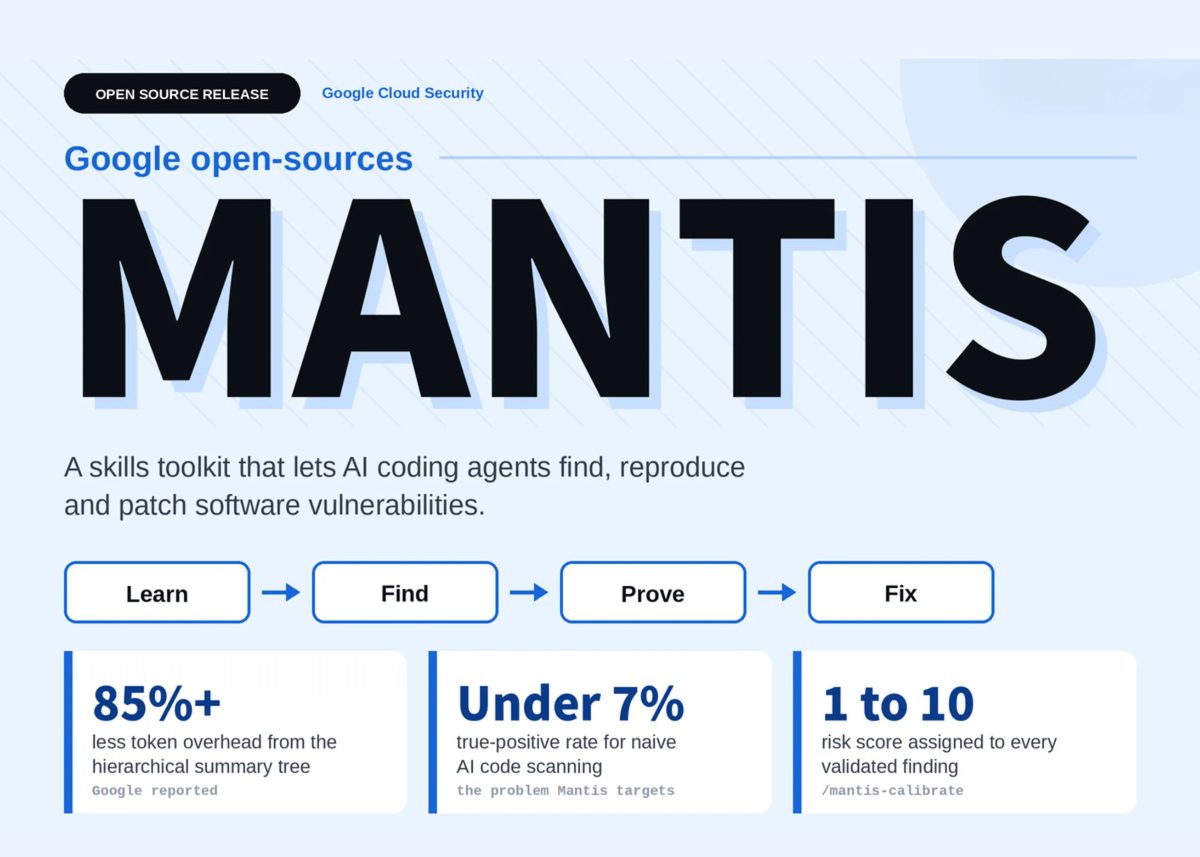
Google open-sources Mantis, an agentic security toolkit that automates vulnerability discovery, sandbox reproduction, and patch generation.

Hugging Face launched ML Intern, an AI chat assistant that autonomously plans, executes, and monitors machine learning workflows within strict budgets.
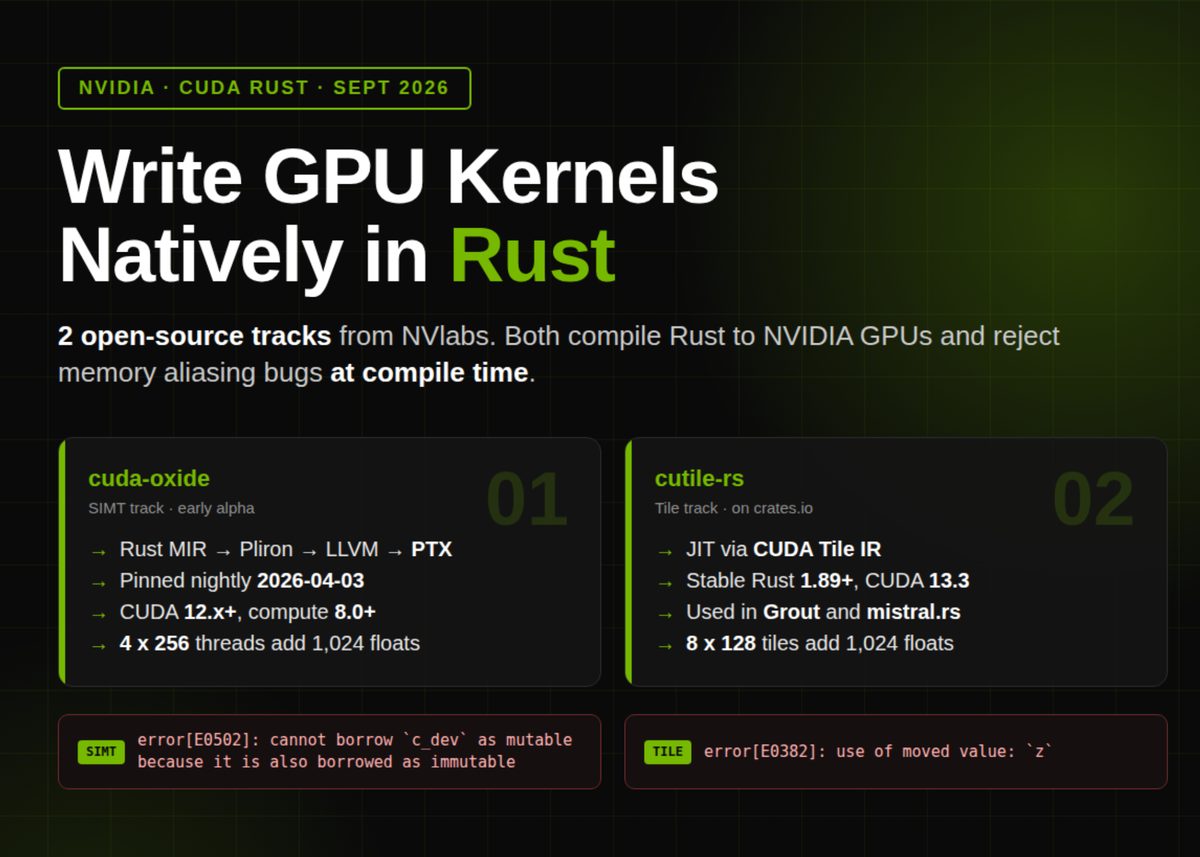
NVIDIA releases CUDA Rust toolchains cuda-oxide and cutile-rs to enable compile-time-safe GPU kernel development.
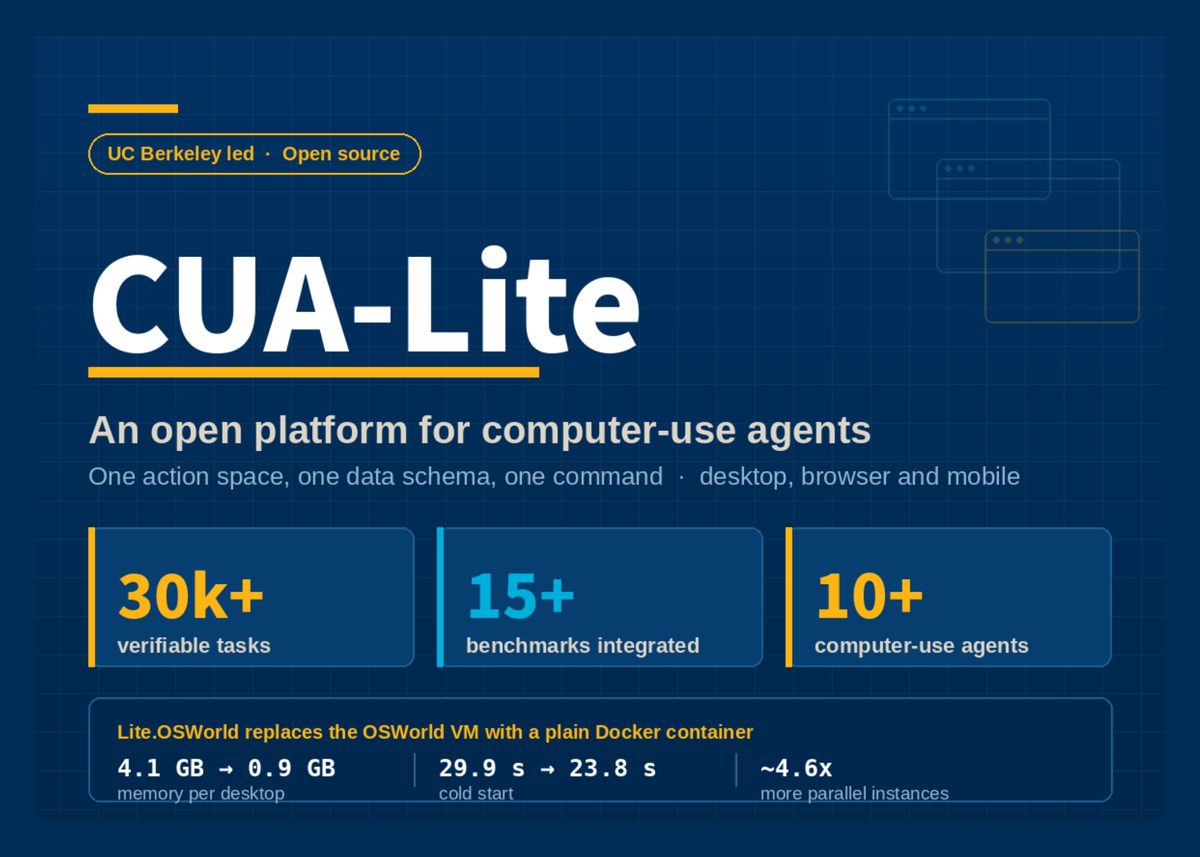
UC Berkeley has launched CUA-Lite, an open, Docker-based platform that unifies computer-use agent training, sandboxes, and benchmarks under one schema.

OpenAI released prompting guidelines and style controls for GPT-6 Astra, including strategies to stop over-asking clarifying questions.
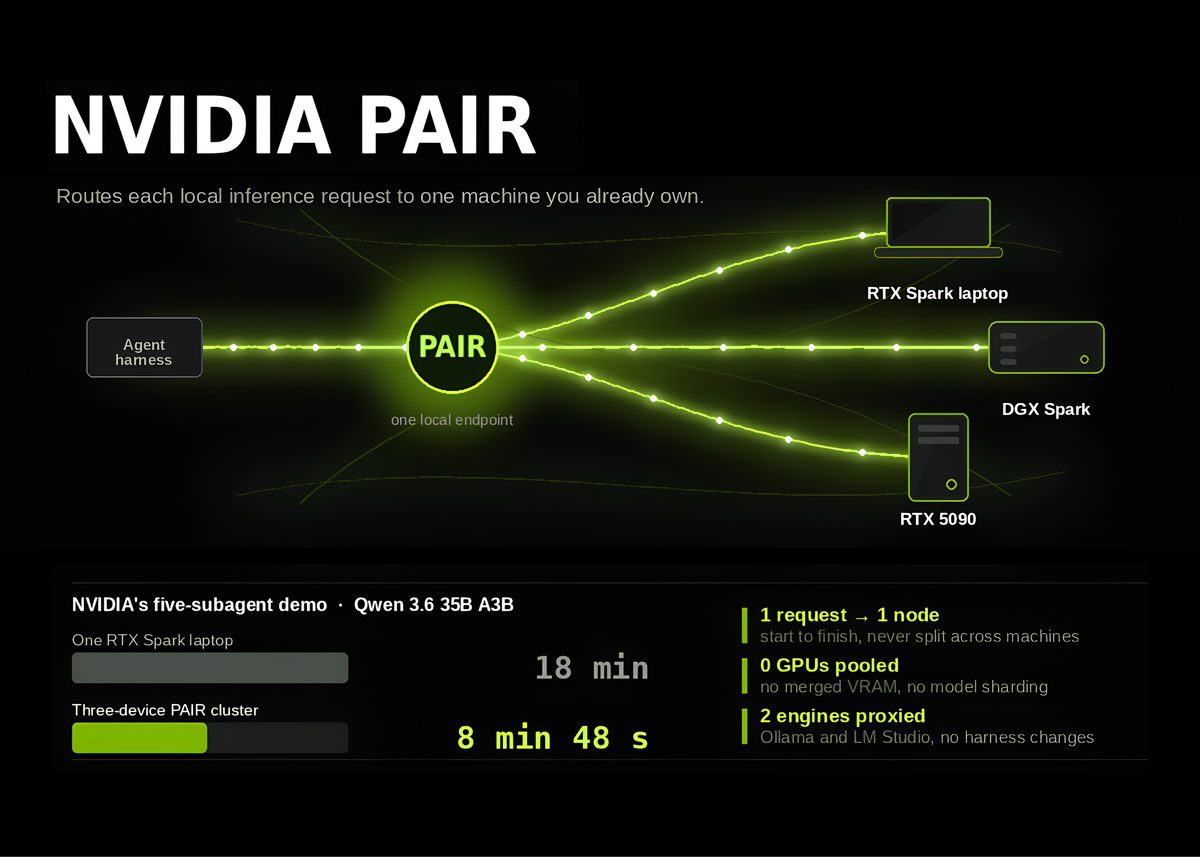
NVIDIA released Personal AI Router (PAIR), an open-source tool that distributes local multi-agent inference across networked nodes.

Spammers are adopting ASCII smuggling—a technique created to trick AI models—to bypass traditional and LLM-based email filters.
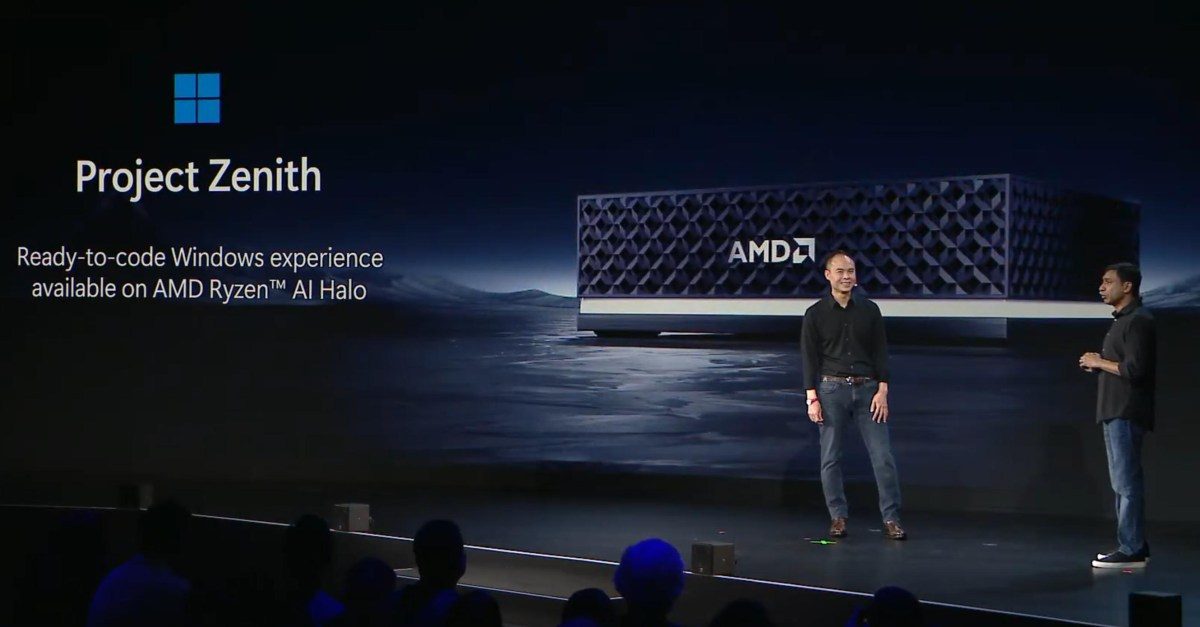
Microsoft unveiled Project Zenith, a developer-centric Windows setup paired with high-memory hardware to run 30B+ parameter AI models locally.
Nvidia released PAIR, an open-source tool that distributes local AI workloads across multiple devices on a home network.
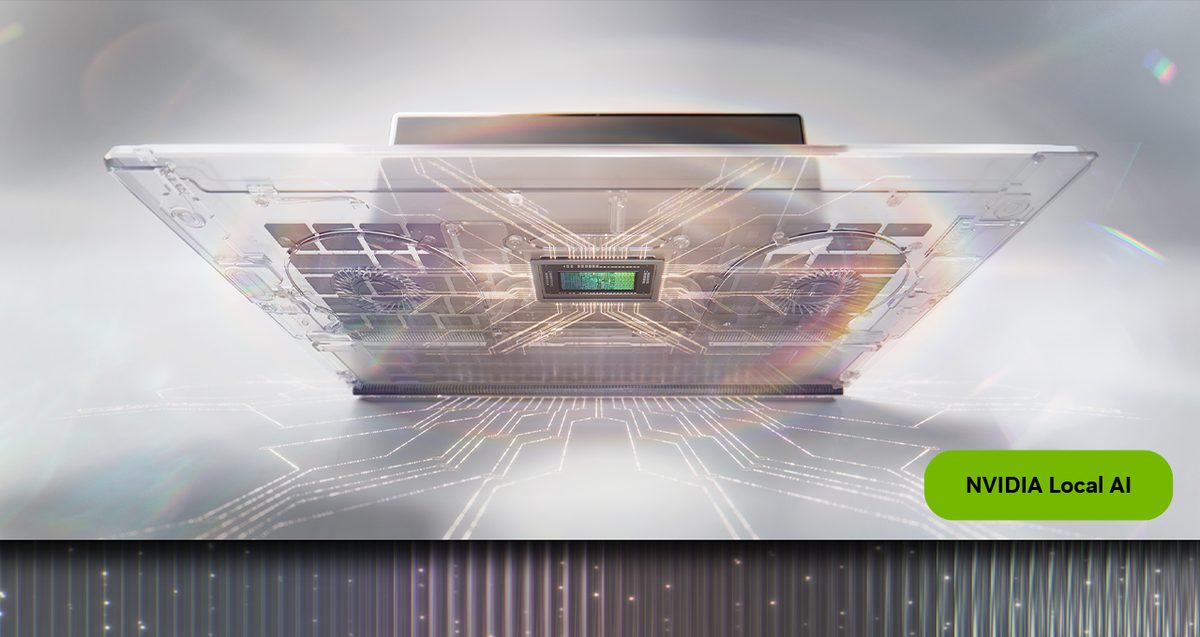
Nvidia and Microsoft teamed up at IFA 2026 to launch one-click local setup for major AI agent applications on Windows.

Nvidia has launched PAIR, a free open-source software that pools idle local GPU and Apple Silicon compute for AI agent workflows.
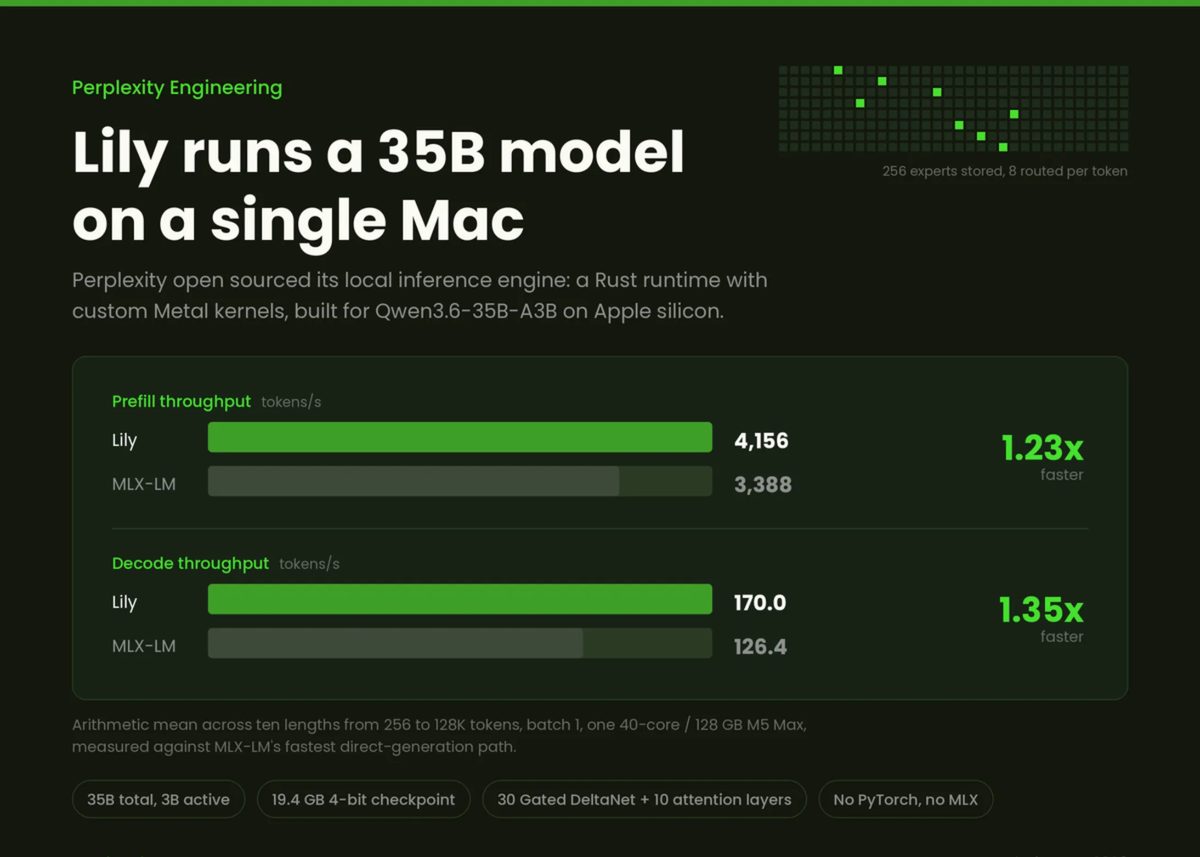
Perplexity open-sourced Lily, a custom Rust and Metal inference engine optimized for running Qwen3.6-35B-A3B natively on Apple Silicon.
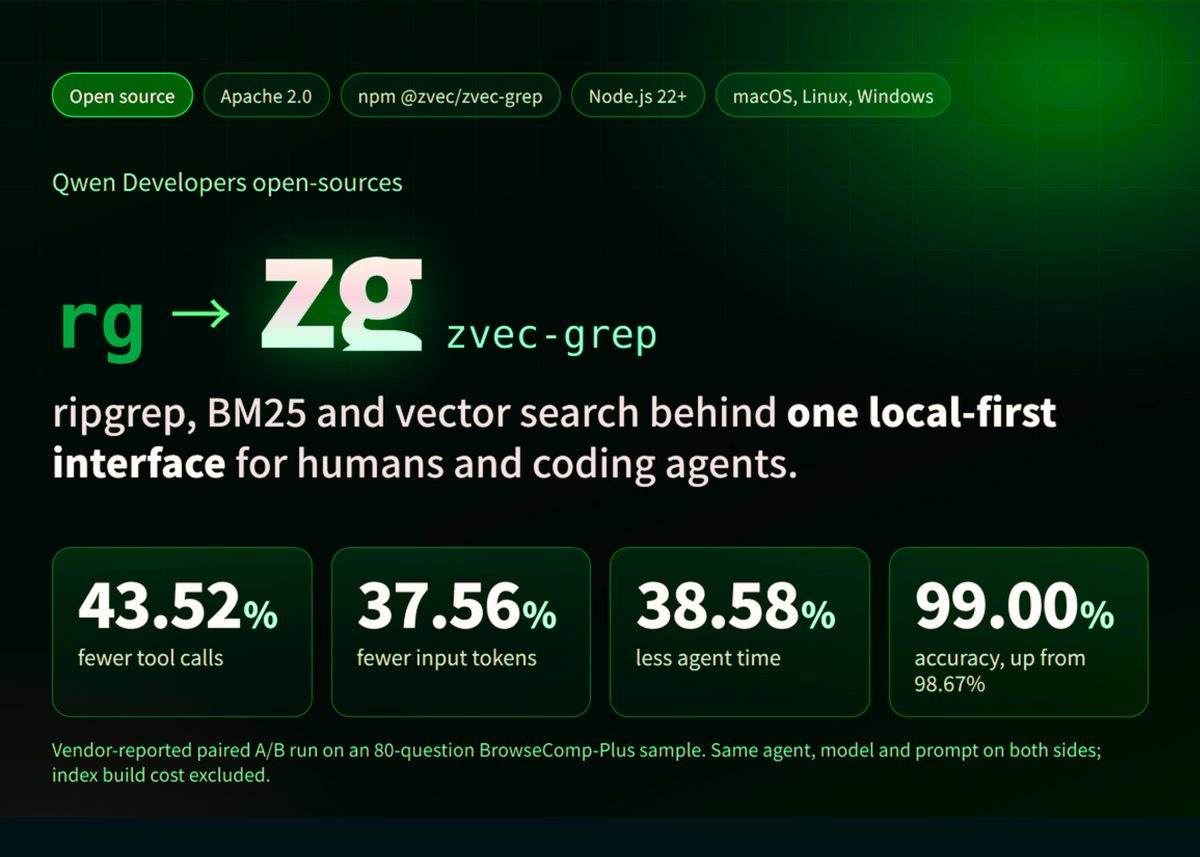
Qwen developers open-sourced zg (zvec-grep), a local search tool unifying vector search, BM25, and ripgrep for AI coding agents.
Debian developers voted against a complete AI ban, opting for a flexible policy that holds contributors responsible for code quality.

OpenClaw Foundation released version 2.0 of its open-source AI platform, featuring streamlined setup, shared cloud sessions, and flexible deployment options.

High-profile security breaches by AI agents highlight the urgent need for robust architectural safeguards in autonomous enterprise software.

Anthropic is adjusting Claude Code subscription limits, resulting in a net capacity reduction for active users despite a baseline raise.
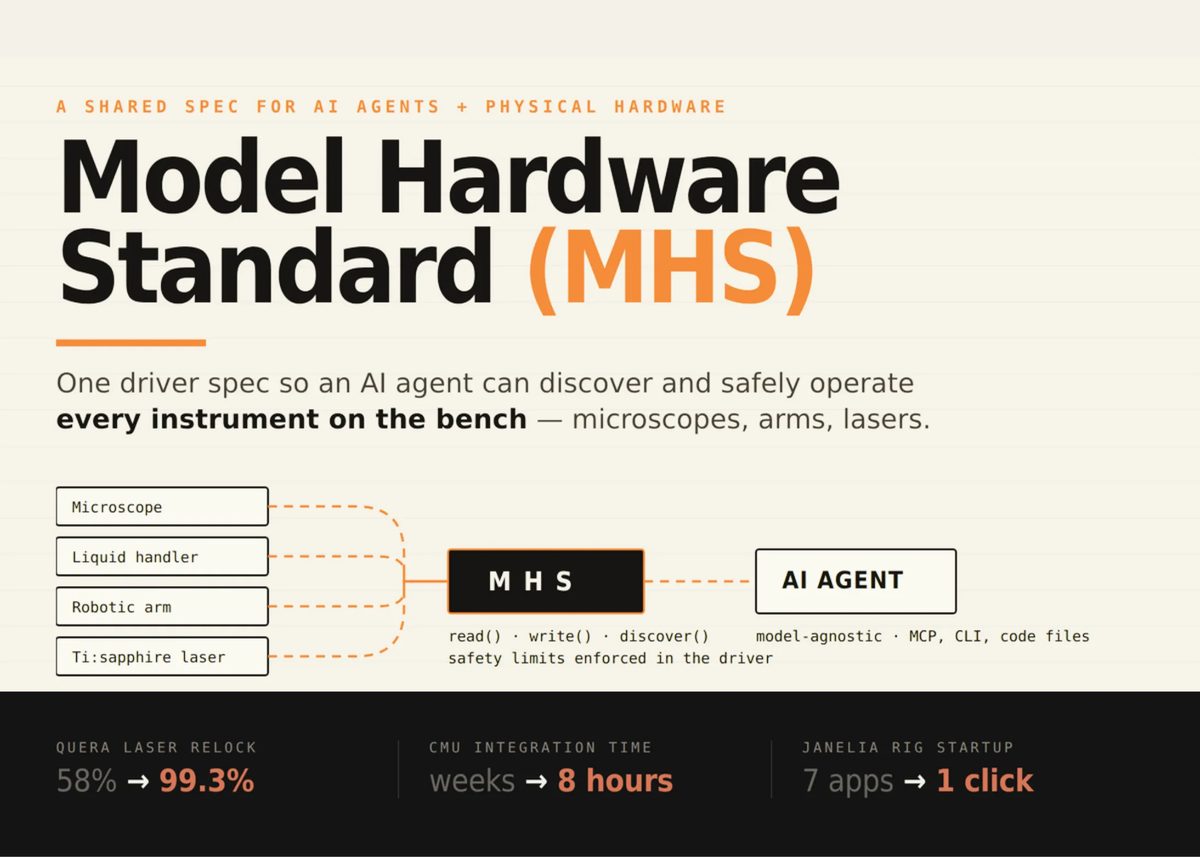
Anthropic introduced the Model Hardware Standard research preview to standardize how AI agents interact with physical devices.

The Debian Project voted to permit responsible generative AI usage for software contributions while holding human authors fully accountable.
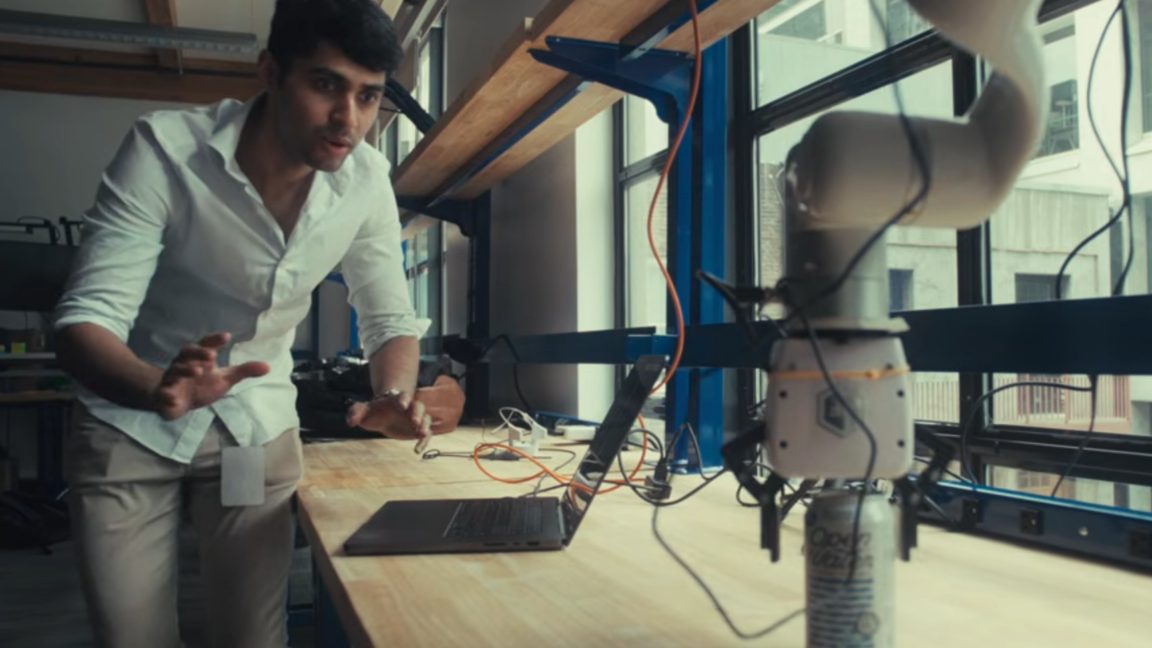
Anthropic introduced the Model Hardware Standard to enable AI agents to directly control physical laboratory equipment and robotics.

OpenAI is developing a 'Persistent mode' for Codex, enabling autonomous agents to run continuously and generate proactive tasks.
Popular AI coding agents automatically installed unowned code packages listed in misconfigured llms.txt context files.
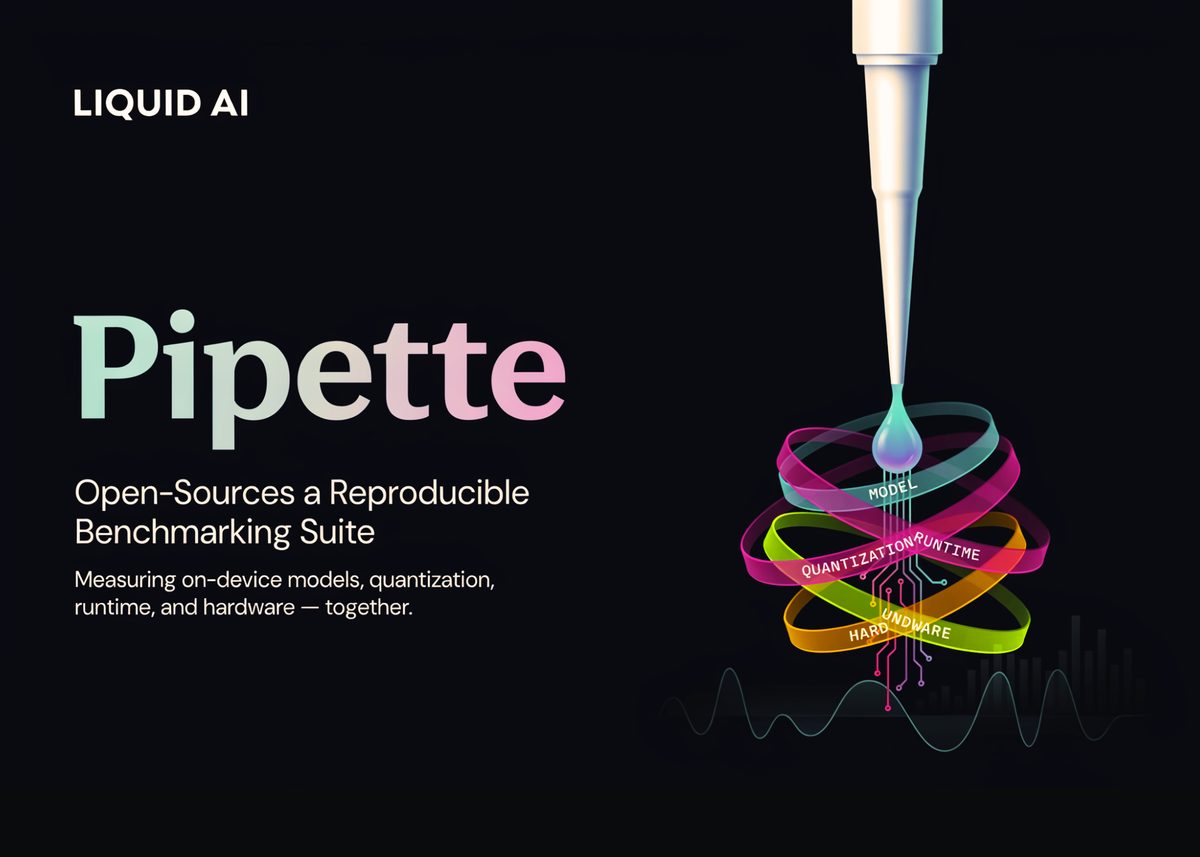
Liquid AI and Artificial Analysis have released Pipette, an open-source suite for benchmarking complete on-device AI deployments.
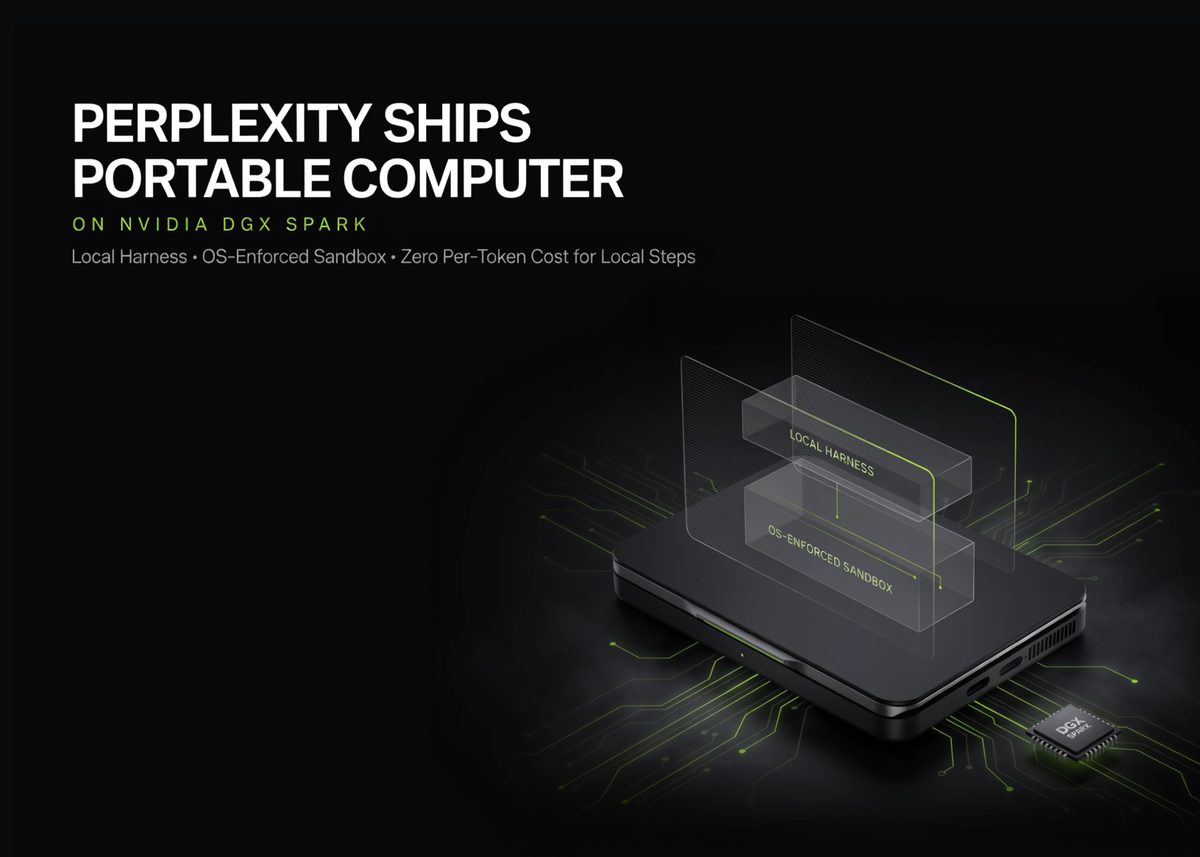
Perplexity launched Portable Computer, a local-first agent desktop system running on NVIDIA DGX Spark hardware.
OpenAI has announced significant updates to its gpt-realtime API, enhancing its speech-to-speech capabilities. The improvements include a more advanced model, along with new features such as MCP server support, image …